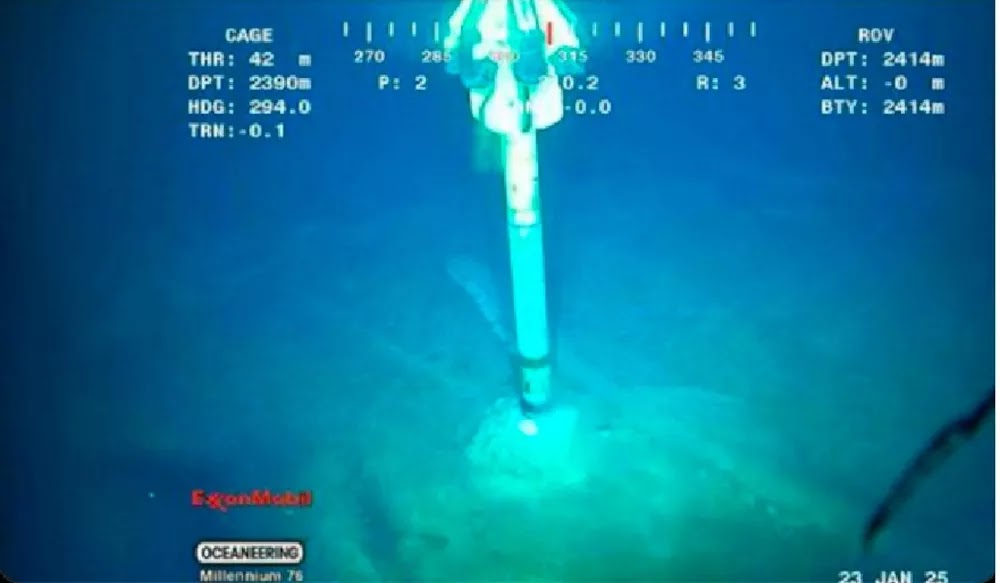
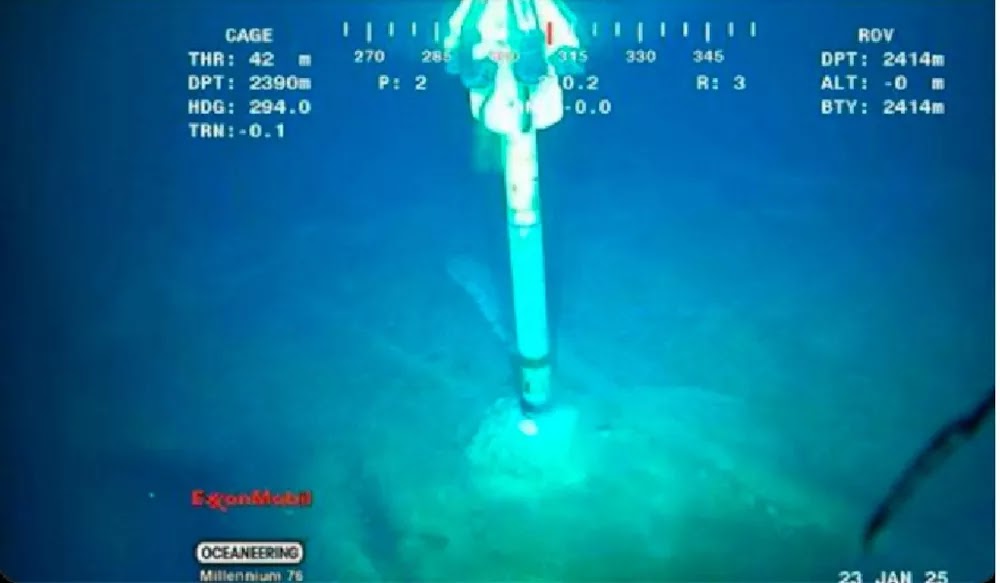
Cyprus has spent years talking about the natural gas beneath its waters. Now, President Nikos Christodoulides says it is time to move from plans and promises to actual production.
During a meeting with senior Chevron executive Javier La Rosa in New York, Christodoulides called for faster progress on the Aphrodite gas field, describing its development as a strategic priority for Cyprus.
According to an official government statement, the two sides reaffirmed their commitment to developing the field under the approved development and production plan. They also reviewed the technical and commercial work currently underway and discussed the steps needed before Chevron makes its final investment decision.
That decision matters. In simple terms, it is the point at which the company formally commits the money needed to turn the gas field from a project on paper into an operating development.




.jpg)